

If you’re curious about the world around you, then studying science is for you.
If you’re driven by a passion for climate action, discovery, problem-solving, or innovation, studying Science at the University of Tasmania provides the perfect pathway to transform your curiosity into a rewarding career.
Whether you’re fascinated by evolution, the origins of life, Earth’s history, or the mysteries of the universe, this degree provides the critical and analytical thinking skills to make a real impact.
Discover study options to match your interests
Already know you want to study the Bachelor of Science and have a specific area of interest in mind? Visit the course page to explore how this degree can help you achieve your goals.
Still deciding? Where does your curiosity lead you?
We’ve curated examples to help you align your interests and curiosity with the perfect study path.
Passionate about protecting and sustaining the environment?
Discover how the Bachelor of Science equips you to make a difference in addressing climate challenges. While all science majors contribute to a sustainable future, studying Sustainability, Ecology, Geography and Environment, Plant Science or Zoology offers focused pathways to conserve ecosystems, develop innovative solutions, and drive meaningful environmental change.

#1 in Australia in climate action
The University of Tasmania is the leading university globally on SDG 13: Climate Action

Learn from our expert staff
Gain practical expertise and industry connections

A future-focused career
Combine climate passion with science
for an exciting future
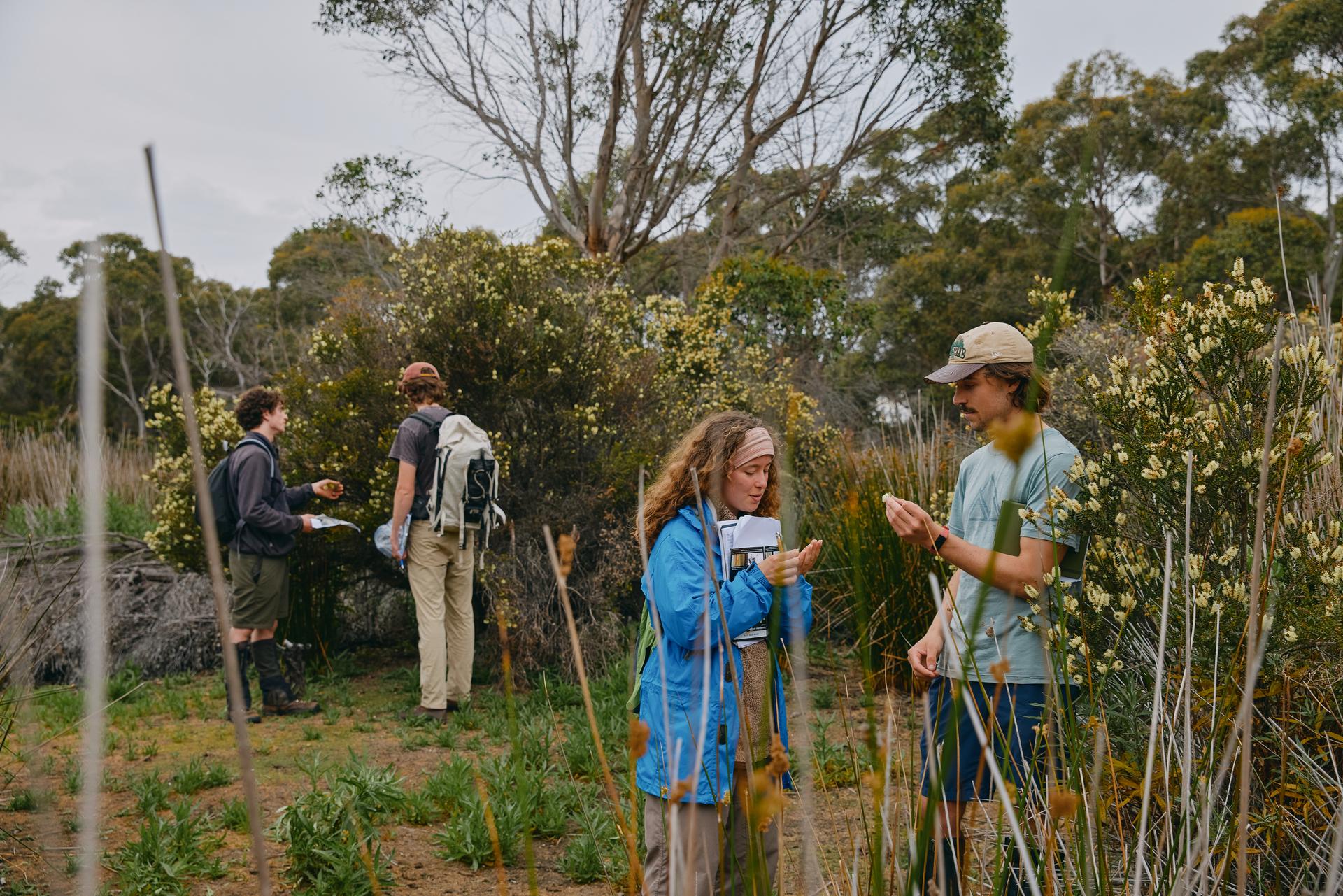
Study options for protecting and sustaining the environment
The Bachelor of Science helps you turn curiosity into real-world impact, building skills in science, analysis, and critical thinking. With a focus on climate action and sustainability, you can contribute to solutions for some of the world’s most pressing challenges.
We’ve curated a list of majors to help you connect your interests in the foundations of life, the science behind how things work, and the strategies needed to create a sustainable future. This will help you get started, and as your learning journey progresses, you’ll be free to explore units of your choice from across the University.
If you’re a high-achieving school leaver, you could also be eligible for the Catalyst Program, which offers scholarships, research opportunities, overseas travel, and more, helping you get even more from your science degree.
Each of these study options is available through the majors listed below, with career pathways outlined for each to help you plan your future.
Learn about the ways in which living things interact with their environment, and develop strategies to support and conserve populations and communities in the natural world. You’ll study climate, soil, flora, fauna and geology, and have many opportunities to do fieldwork. You'll gain critical cultural perspectives from Aboriginal Tasmanians and learn about environmental management practices that have been used for centuries.
The ecology major has field trips across Tasmania in all stages of your study, ranging from the coast to the mountain tops and from agricultural landscapes to the south-west wilderness.
Careers in Ecology include:
- Ecologist
- Environmental Consultant
- Natural Resource Manager
Understanding the interaction between natural environments, places and societies is critical to addressing issues such as climate change, economic inequality, biodiversity loss, resource scarcity and more.
Throughout your studies in this major, you will engage directly with the subject matter, participating in field experiences that feature Tasmania's unique environment. These include an 8 day field study trip where you will learn environmental data recording techniques; and a 3 day field study experience within a protected area of the Tasmanian Midlands. You can go on your first field trip within your first 3 weeks of study.
You will develop specialist skills across physical, spatial and social science; gaining the knowledge needed to tackle environmental challenges, both locally and globally.
Careers in Geography and Environment include:
- Land Management
- Policy and Planning
- Sustainability Planning
- Environmental Regulation and Assessment
This major is for those with an interest in investigating plants and their impact on human life. You’ll study how plants function and develop, and how they’ve evolved through time. With pristine ecosystems accessible directly from campus, we offer not only unparalleled access but also a distinctive breadth and depth of flora and fauna to give you a truly holistic education.
From captivating excursions to Tasmania's beautiful and significant natural systems to conducting experiments using cutting-edge research facilities, you'll have the chance to delve into the latest theories shared by world-leading researchers. One exciting highlight is a weekend excursion, where you'll explore the breathtaking diversity of Tasmania's east coast. During this trip, you'll witness firsthand the remarkable adaptations of plant species to diverse environments, deepening your knowledge of plant biology and their intricate relationship with their surroundings.
Careers in Plant Science include:
- Crop Consultant
- Soil Scientist
- Botanist
- Ecologist
- Plant Pathologist
- Biosecurity Officer
Place yourself at the forefront of a sustainable future. This major draws on international and local research, theory and practice, and spans the physical and social sciences as well as the humanities. You'll build specialist expertise to identify sustainability-related impacts and develop effective, real-world solutions.
Sustainability is a growing field that supports meeting the needs of the present without compromising future generations. It plays a vital role across industries and sectors, with opportunities rapidly expanding.
Careers in Sustainability include:
- Sustainability Officer
- Environmental Policy Advisor
- Renewable Energy Analyst
- Circular Economy Specialist
- Climate Change Consultant
- Environmental Educator
- Sustainable Design Advisor
- Community Engagement Officer
- Green Building Consultant
- Eco-Tourism Operator
Unleash your animal curiosity, and delve into the behaviours, distribution, physiology and conservation of wildlife. Zoology looks at the structure and function of animals, and how these traits have evolved over time. There is no better place to immerse yourself in the study of animals than Tasmania’s living laboratory. We offer unparalleled access to our distinctive range of ecosystems, flora and fauna, coastal landscapes, and the Southern Ocean.
One of the highlights is the unparalleled access to the unique fauna of Tasmania, providing you with extraordinary opportunities to explore and study diverse animal species found nowhere else in the world.
Experiences include a weekend excursion to the breathtaking Tasman Peninsula, where you'll witness firsthand the astounding diversity of animals and their habitats. You'll have the opportunity to design and conduct experiments focused on animal behaviour, allowing you to master professional and career-relevant skills.
Careers in Zoology include:
- Environmental Consultant
- Animal Nutritionist
- Research Scientist
- Biomedical Scientist
- Field Trials Officer
- Toxicologist
Course options
The Bachelor of Science is a degree for the curious—those who want to ask questions, explore possibilities, and uncover solutions to real-world challenges. With the flexibility to follow your interests or discover entirely new fields, you'll develop critical skills and knowledge that open doors to a wide range of careers. Whether you're passionate about the natural world, technology, or the unknown, this degree empowers you to turn curiosity into impact.
Other study options
Diploma of Science
The Diploma of Applied Science is your pathway to a specialised career in science. Build a strong foundation with four core units and tailor your studies with a wide range of electives. Whether you're new to science or looking to develop industry-specific skills, this diploma opens doors to fields like biotechnology, environmental science, and more.
For those interested in food and beverage innovation, the optional Fermentation focus explores cheesemaking, brewing, winemaking, and fermentation science. With practical, industry-aligned learning, this course equips you with the skills and confidence to succeed.
Accelerate your journey with our integrated Bachelor of Science/Master of Teaching (Primary/Secondary) double degree, becoming a fully qualified teacher while pursuing a Bachelor of Science, with two professional qualifications in just 4 years.
Channel your passion for STEM into the classroom and inspire future generations. In the Bachelor of Science, you'll develop core skills in science, analysis, and rational thinking. You have options to focus your study in one or more scientific disciplines and learn the methods to apply your skills and knowledge to the practical needs of industry, business, and government in both scientific and non-scientific roles.
The Master of Teaching is accredited through the Tasmanian Teachers Registration Board and is recognised in all Australian states and territories. You'll be able to choose whether to teach at a primary or secondary school level. The specialisations you teach will depend on the major you complete in the Bachelor of Science.
Graduates of this course have met the expected standard of performance for the Australian Professional Standards for Teachers (APST) set by Australian Institute for Teaching and School Leadership and will meet the qualification required to apply for teacher registration in all states and territories of Australia.
The Bachelor of Science combines with a wide range of courses like Law, Music, Economics, and many more. By studying a double degree, you can deepen your knowledge and expertise within two separate study areas. It's also your chance to pursue a career and follow your passion at the same time.
Further study options
Once you've completed your Bachelor of Science, you may have the option to take on an Honours year. This is an additional year of study where you can focus on a particular area of interest and develop advanced skills in research and scientific thinking.
Honours gives you the chance to work closely with researchers, explore complex scientific questions, and prepare for a future in research, industry, or postgraduate study.
If you're thinking about where your science degree could take you next, these specialised postgraduate options can help you build advanced knowledge and prepare for a career in research or industry.
Master of Chemistry
The Master of Chemistry allows you to acquire advanced current knowledge in the Chemistry discipline. In addition, students will develop a capacity for independent research and problem-solving that can lead to relevant industry employment and/or a higher degree by research (Master's or PhD).
Master of Economic Geology
The Master of Economic Geology is designed for geologists working in industry or government who want to deepen their expertise and gain specialist skills in ore deposit studies. Delivered through the ARC Centre of Excellence in Ore Deposits (CODES), this course forms the core of Australia's National Minerals Geoscience Master's Program.
Find out more about the Bachelor of Science; what you'll study, entry requirements, fees and scholarships – and to apply.
Fascinated by the science of life and solving real-world challenges?
Explore life at a cellular and molecular level, from understanding chemical reactions to studying diseases and epidemics. Apply your skills in industries such as agriculture, food production, and environmental consulting. Contribute to innovation in Tasmania's vibrant food sector with expertise in fermentation science, food safety, and product development.

Work with leading academics
Gain hands-on research experience alongside experts in their fields

Our island is your campus
Study in a living laboratory

Supportive learning environment
Benefit from small class sizes and personalised support
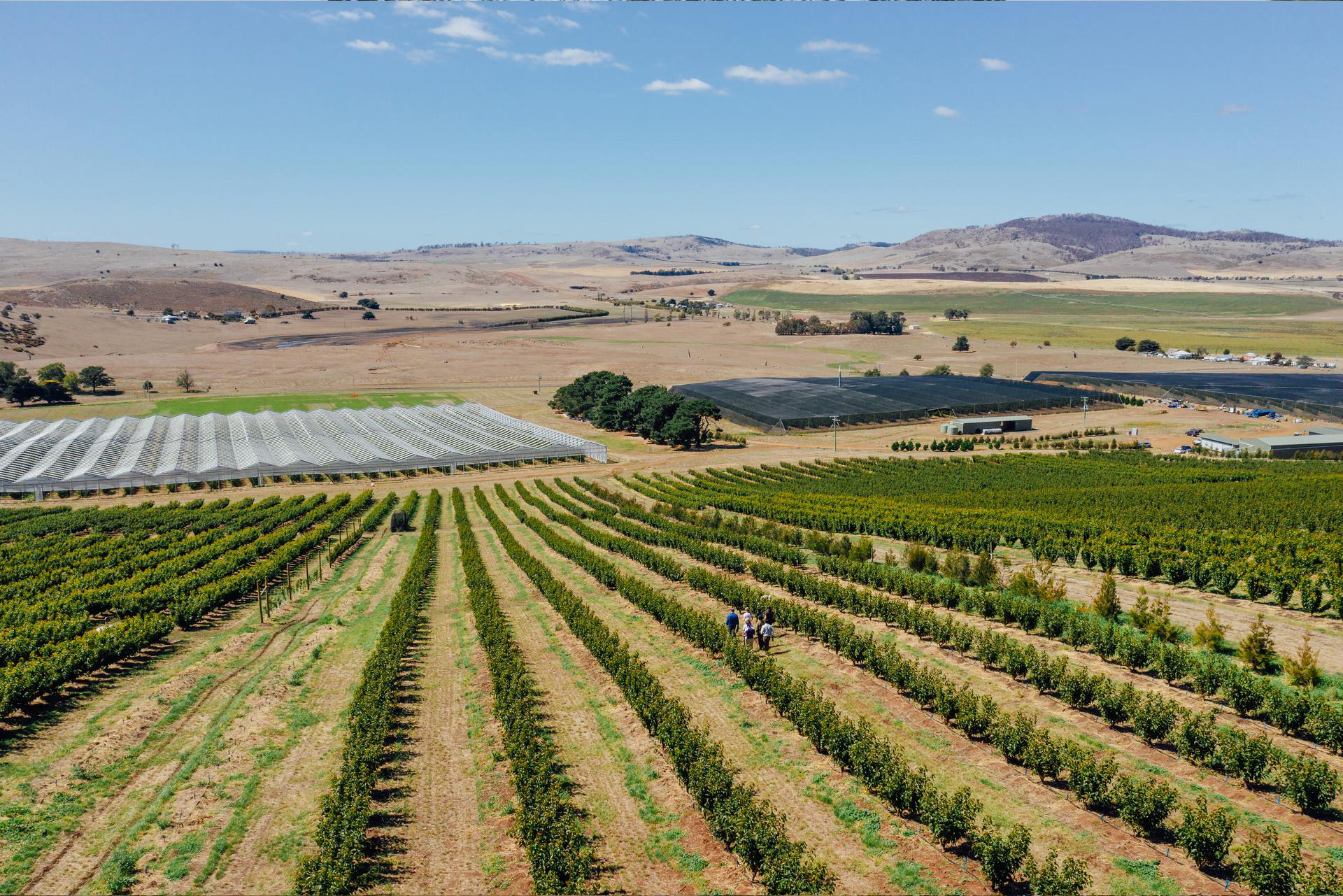
Study options for the science of life and solving real-world problems
The Bachelor of Science helps you turn curiosity into real-world impact, building skills in science, analysis, and critical thinking. With a focus on climate action and sustainability, you can contribute to solutions for some of the world’s most pressing challenges.
We’ve curated a list of majors to help you connect your interests in the foundations of life, the science behind how things work, and the strategies needed to create a sustainable future. This will help you get started, and as your learning journey progresses, you’ll be free to explore units of your choice from across the University.
If you’re a high-achieving school leaver, you could also be eligible for the Catalyst Program, which offers scholarships, research opportunities, overseas travel, and more, helping you get even more from your science degree.
Each of these study options is available through the courses listed below, with career pathways outlined for each to help you plan your future.
Chemistry is the study of things at the molecular level, allowing for a deeper knowledge of the world around us, the development of methods to identify chemicals in our environment, and the creation of ways to make useful materials such as polymers and pharmaceuticals.
You will learn analytical and industrial chemistry, as well as ways to make and characterise chemicals and materials. Chemistry is a foundational science, underpinning disciplines such as environmental and marine science, medical and pharmaceutical sciences, materials and chemical engineering, biotechnology and biochemistry.
Careers in Chemistry include:
- Laboratory Chemists
- Research Scientists
- Industrial Process Managers
- Separation Scientists
- Teachers and Science Communicators
- Advisors and Policy Analysts
- Patent Lawyers
This major focuses on post-farm gate processes and food innovation. Apply scientific principles to identify, assess and control hazards and use new technologies to create an innovative future for the industry.
You'll explore food and beverage practices like fermentation, quality and safety, and genetic modification and develop skills in food analysis, production and new product development.
Throughout your studies, you'll have the direct support of our close industry partners within Tasmania's thriving food industry, so you'll graduate prepared for an exciting career with industry knowledge and connections.
Careers in Food Innovation and Safety Include:
- Food Scientist
- Food Biochemist
- Research Assistant
This major looks at how microorganisms work and their role in our world. From bacteria and viruses to fungi, single-celled animals and algae; microorganisms are fundamental to the cycles that underpin life on Earth. You’ll investigate infectious diseases, explore the production of foods and chemicals, and gain practical skills that are applicable around the world.
Your studies will include engaging field trips to commercial enterprises where microbiology takes centre stage in various industries. From examining the role of microorganisms in food and beverage production, to exploring their significance in the biodegradation of solid and liquid wastes, these field trips will give you a firsthand glimpse into the real-world applications of microbiology.
Careers in Mircobiology include:
- Quality Control Analyst
- Food Microbiologist
- Environmental Microbiologist
- Fermentation Technologist
- Research Scientist
Molecular Bioscience looks at life from inside out. You can peek into the heart of a cell, witness the intricate dance of molecules that orchestrate the very essence of life.
Explore the ways living organisms function from both molecular and cellular perspectives. Focus on the role molecules have in health and disease, and cover issues of global relevance.
You'll apply your knowledge and skills to real-world scenarios in collaboration with business, natural sciences and medicine.
Careers in Molecular Bioscience include:
- Epidemiologist
- Chemist
- Biomedical Engineer
- Plant Geneticist
- Research Technologist
- Forensic DNA Analyst
- Molecular Genetics Technologist
This major was developed after industry consultation and responds to industry’s need for work-ready graduates with the capacity to respond to local opportunities and challenges within diverse industry sectors.
This is a complementary major that supports your primary area of study. If you wish to study this major, it will be paired with another major in your study plan. You'll graduate with specialist skills and knowledge catered to your unique interests and your chosen industry's needs.
Careers in Science and Industry (Complementary major) include:
- Business Analyst
- Data Analyst
- Software Developer
- Information Systems Manager
Course options
The Bachelor of Science is a degree for the curious—those who want to ask questions, explore possibilities, and uncover solutions to real-world challenges. With the flexibility to follow your interests or discover entirely new fields, you'll develop critical skills and knowledge that open doors to a wide range of careers. Whether you're passionate about the natural world, technology, or the unknown, this degree empowers you to turn curiosity into impact.
Other study options
Diploma of Science
The Diploma of Applied Science is your pathway to a specialised career in science. Build a strong foundation with four core units and tailor your studies with a wide range of electives. Whether you're new to science or looking to develop industry-specific skills, this diploma opens doors to fields like biotechnology, environmental science, and more.
For those interested in food and beverage innovation, the optional Fermentation focus explores cheesemaking, brewing, winemaking, and fermentation science. With practical, industry-aligned learning, this course equips you with the skills and confidence to succeed.
Accelerate your journey with our integrated Bachelor of Science/Master of Teaching (Primary/Secondary) double degree, becoming a fully qualified teacher while pursuing a Bachelor of Science, with two professional qualifications in just 4 years.
Channel your passion for STEM into the classroom and inspire future generations. In the Bachelor of Science, you'll develop core skills in science, analysis, and rational thinking. You have options to focus your study in one or more scientific disciplines and learn the methods to apply your skills and knowledge to the practical needs of industry, business, and government in both scientific and non-scientific roles.
The Master of Teaching is accredited through the Tasmanian Teachers Registration Board and is recognised in all Australian states and territories. You'll be able to choose whether to teach at a primary or secondary school level. The specialisations you teach will depend on the major you complete in the Bachelor of Science.
Graduates of this course have met the expected standard of performance for the Australian Professional Standards for Teachers (APST) set by Australian Institute for Teaching and School Leadership and will meet the qualification required to apply for teacher registration in all states and territories of Australia.
The Bachelor of Science combines with a wide range of courses like Law, Music, Economics, and many more. By studying a double degree, you can deepen your knowledge and expertise within two separate study areas. It's also your chance to pursue a career and follow your passion at the same time.
Further study options
Once you've completed your Bachelor of Science, you may have the option to take on an Honours year. This is an additional year of study where you can focus on a particular area of interest and develop advanced skills in research and scientific thinking.
Honours gives you the chance to work closely with researchers, explore complex scientific questions, and prepare for a future in research, industry, or postgraduate study.
If you're thinking about where your science degree could take you next, these specialised postgraduate options can help you build advanced knowledge and prepare for a career in research or industry.
Master of Chemistry
The Master of Chemistry allows you to acquire advanced current knowledge in the Chemistry discipline. In addition, students will develop a capacity for independent research and problem-solving that can lead to relevant industry employment and/or a higher degree by research (Master's or PhD).
Master of Economic Geology
The Master of Economic Geology is designed for geologists working in industry or government who want to deepen their expertise and gain specialist skills in ore deposit studies. Delivered through the ARC Centre of Excellence in Ore Deposits (CODES), this course forms the core of Australia's National Minerals Geoscience Master's Program.
Find out more about the Bachelor of Science; what you'll study, entry requirements, fees and scholarships – and to apply.
Inspired by outdoor exploration and hands-on science?
Get hands-on with fieldwork as you explore ecosystems, geology, wildlife, and native flora, using Tasmania’s incredible landscapes as your classroom. See how nature is connected and discover how you can help protect it for the future.

Industry partnerships
Networking opportunities through strong industry connections
Our island is your campus
Study in a living laboratory

Hands-on research and field trips
Real-world experience through immersive learning and practical fieldwork
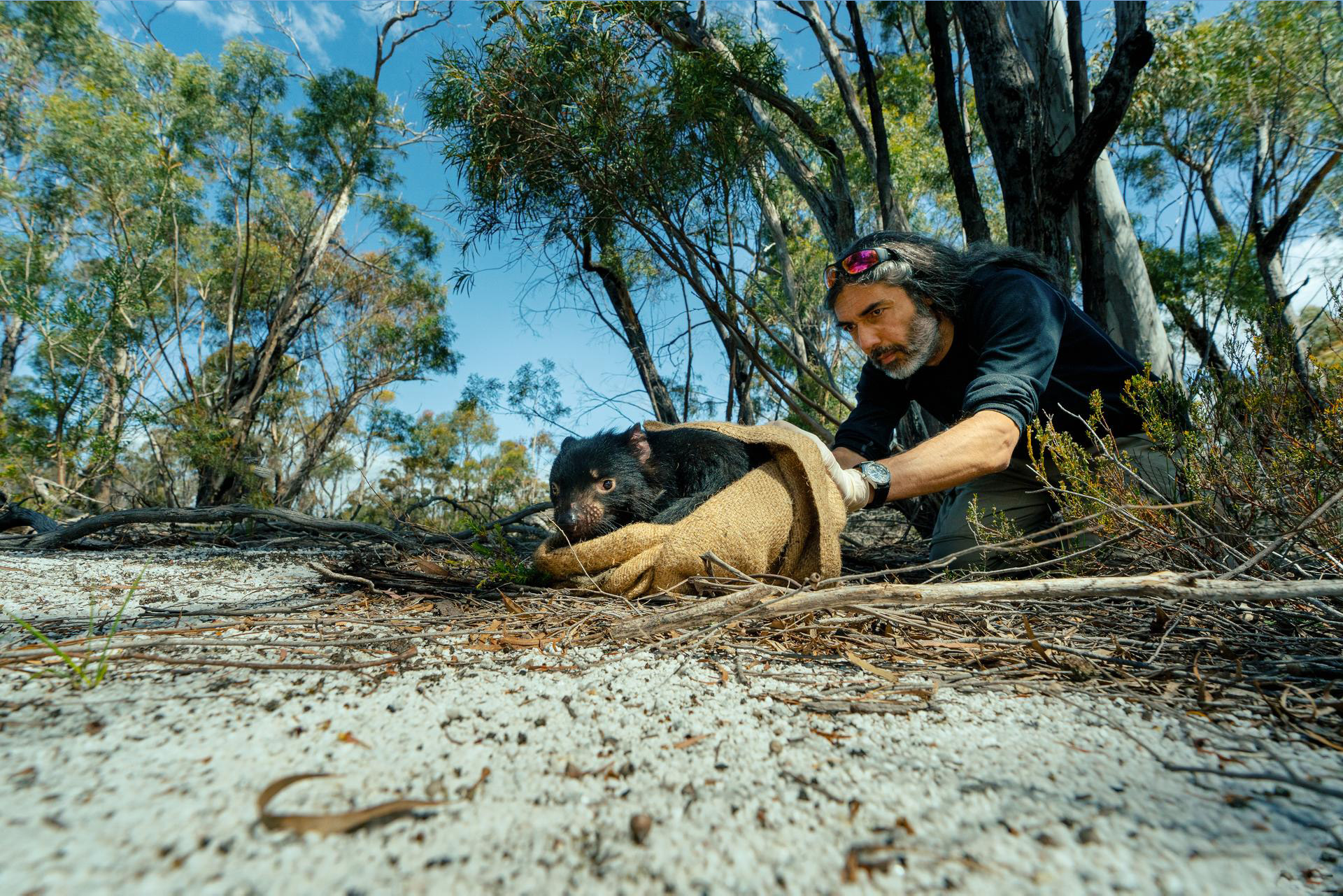
Study options for outdoor exploration and hands-on science
The Bachelor of Science helps you turn curiosity into real-world impact, building skills in science, analysis, and critical thinking. With a focus on climate action and sustainability, you can contribute to solutions for some of the world’s most pressing challenges.
We’ve curated a list of majors to help you connect your interests in the foundations of life, the science behind how things work, and the strategies needed to create a sustainable future. This will help you get started, and as your learning journey progresses, you’ll be free to explore units of your choice from across the University.
If you’re a high-achieving school leaver, you could also be eligible for the Catalyst Program, which offers scholarships, research opportunities, overseas travel, and more, helping you get even more from your science degree.
Each of these study options is available through the courses listed below, with career pathways outlined for each to help you plan your future.
Accelerate Your Future in Earth Sciences
The fast-tracked Bachelor of Science major in Earth Science is designed for real-world impact.
Delivered over 2.5 years, it offers flexible, immersive learning tailored to working professionals, career changers, and students from rural, regional, and remote communities.
Key Features:
- Block-mode (2–3 week) units for hands-on, practical learning
- Online semester-long units for study alongside work or family commitments
- Complete your entire degree in just 2.5 years with flexible core and elective units
- Ideal for upskilling, reskilling, or advancing in Earth sciences and related fields
Gain practical experience through fieldwork, lab sessions, and innovative teaching. Tasmania’s diverse geology becomes your classroom, with opportunities to explore iconic sites across Australia and the Southwest Pacific.
Delivered by experts from the globally recognised Centre for Ore Deposit and Earth Sciences (CODES), the course aligns with national priorities in sustainability, resource management, and ecosystem resilience.
__________________________________________________________________________________________________________________________________________________
Earth Science is fundamental to understanding and addressing the world around us. From climate change, to geology, resource management and more; this major will help you to explore the challenges our planet faces. You will explore fascinating topics, like volcanic activity and earthquakes, mineral and petroleum resources, rock formation and much more.
This major will help you go beyond the basics. In your studies, you will examine how planet Earth was initially formed and then modified by plate tectonics, volcanic eruptions, earthquakes, weathering, erosion, biological evolution and human activities.
There is no better place to study the Earth than Tasmania, as our state packs 1,400 million years of history into a small space, with more diversity and better coastal and mountain rock exposures than anywhere else in Australia.
During your studies, you'll have many opportunities for experiential learning. By participating in field trips, you'll be granted access to Tasmania's awe-inspiring geological formations, ore deposits, and geological hazards, providing valuable hands-on learning experiences.
Careers in Earth Science include:
- Mining
- Environmental geology
- Ground water management
- Mineral exploration
- Engineering geology
- Geophysics
- Forensic geology
- Climate research
- Geo-hazard management
Learn about the ways in which living things interact with their environment, and develop strategies to support and conserve populations and communities in the natural world. You’ll study climate, soil, flora, fauna and geology, and have many opportunities to do fieldwork. You'll gain critical cultural perspectives from Aboriginal Tasmanians and learn about environmental management practices that have been used for centuries.
The ecology major has field trips across Tasmania in all stages of your study, ranging from the coast to the mountain tops and from agricultural landscapes to the south-west wilderness.
Careers in Ecology include:
- Ecologist
- Environmental Consultant
- Natural Resource Manager
This major is for those with an interest in investigating plants and their impact on human life. You’ll study how plants function and develop, and how they’ve evolved through time. With pristine ecosystems accessible directly from campus, we offer not only unparalleled access but also a distinctive breadth and depth of flora and fauna to give you a truly holistic education.
From captivating excursions to Tasmania's beautiful and significant natural systems to conducting experiments using cutting-edge research facilities, you'll have the chance to delve into the latest theories shared by world-leading researchers. One exciting highlight is a weekend excursion, where you'll explore the breathtaking diversity of Tasmania's east coast. During this trip, you'll witness firsthand the remarkable adaptations of plant species to diverse environments, deepening your knowledge of plant biology and their intricate relationship with their surroundings.
Careers in Plant Science include:
- Crop Consultant
- Soil Scientist
- Botanist
- Ecologist
- Plant Pathologist
- Biosecurity Officer
Unleash your animal curiosity, and delve into the behaviours, distribution, physiology and conservation of wildlife. Zoology looks at the structure and function of animals, and how these traits have evolved over time. There is no better place to immerse yourself in the study of animals than Tasmania’s living laboratory. We offer unparalleled access to our distinctive range of ecosystems, flora and fauna, coastal landscapes, and the Southern Ocean.
One of the highlights is the unparalleled access to the unique fauna of Tasmania, providing you with extraordinary opportunities to explore and study diverse animal species found nowhere else in the world.
Experiences include a weekend excursion to the breathtaking Tasman Peninsula, where you'll witness firsthand the astounding diversity of animals and their habitats. You'll have the opportunity to design and conduct experiments focused on animal behaviour, allowing you to master professional and career-relevant skills.
Careers in Zoology include:
- Environmental Consultant
- Animal Nutritionist
- Research Scientist
- Biomedical Scientist
- Field Trials Officer
- Toxicologist
Course options
The Bachelor of Science is a degree for the curious—those who want to ask questions, explore possibilities, and uncover solutions to real-world challenges. With the flexibility to follow your interests or discover entirely new fields, you'll develop critical skills and knowledge that open doors to a wide range of careers. Whether you're passionate about the natural world, technology, or the unknown, this degree empowers you to turn curiosity into impact.
Other study options
Diploma of Science
The Diploma of Applied Science is your pathway to a specialised career in science. Build a strong foundation with four core units and tailor your studies with a wide range of electives. Whether you're new to science or looking to develop industry-specific skills, this diploma opens doors to fields like biotechnology, environmental science, and more.
For those interested in food and beverage innovation, the optional Fermentation focus explores cheesemaking, brewing, winemaking, and fermentation science. With practical, industry-aligned learning, this course equips you with the skills and confidence to succeed.
Accelerate your journey with our integrated Bachelor of Science/Master of Teaching (Primary/Secondary) double degree, becoming a fully qualified teacher while pursuing a Bachelor of Science, with two professional qualifications in just 4 years.
Channel your passion for STEM into the classroom and inspire future generations. In the Bachelor of Science, you'll develop core skills in science, analysis, and rational thinking. You have options to focus your study in one or more scientific disciplines and learn the methods to apply your skills and knowledge to the practical needs of industry, business, and government in both scientific and non-scientific roles.
The Master of Teaching is accredited through the Tasmanian Teachers Registration Board and is recognised in all Australian states and territories. You'll be able to choose whether to teach at a primary or secondary school level. The specialisations you teach will depend on the major you complete in the Bachelor of Science.
Graduates of this course have met the expected standard of performance for the Australian Professional Standards for Teachers (APST) set by Australian Institute for Teaching and School Leadership and will meet the qualification required to apply for teacher registration in all states and territories of Australia.
The Bachelor of Science combines with a wide range of courses like Law, Music, Economics, and many more. By studying a double degree, you can deepen your knowledge and expertise within two separate study areas. It's also your chance to pursue a career and follow your passion at the same time.
Further study options
Once you've completed your Bachelor of Science, you may have the option to take on an Honours year. This is an additional year of study where you can focus on a particular area of interest and develop advanced skills in research and scientific thinking.
Honours gives you the chance to work closely with researchers, explore complex scientific questions, and prepare for a future in research, industry, or postgraduate study.
If you're thinking about where your science degree could take you next, these specialised postgraduate options can help you build advanced knowledge and prepare for a career in research or industry.
Master of Chemistry
The Master of Chemistry allows you to acquire advanced current knowledge in the Chemistry discipline. In addition, students will develop a capacity for independent research and problem-solving that can lead to relevant industry employment and/or a higher degree by research (Master's or PhD).
Master of Economic Geology
The Master of Economic Geology is designed for geologists working in industry or government who want to deepen their expertise and gain specialist skills in ore deposit studies. Delivered through the ARC Centre of Excellence in Ore Deposits (CODES), this course forms the core of Australia's National Minerals Geoscience Master's Program.
Find out more about the Bachelor of Science; what you'll study, entry requirements, fees and scholarships – and to apply.
Love solving puzzles with numbers, patterns, and data?
Develop analytical and problem-solving skills in fields that use data and mathematical principles to answer complex questions. Harness these tools to explore everything from scientific discoveries to real-world applications in technology and research.

Hands-on research experience
Take part in practical research activities that develop real-world skills

Join a vibrant student community
Connect with like-minded students through the Maths and Physics Society

Global research connections
Collaborate with international researchers and experts

Study options for solving puzzles with numbers, patterns, and data
The Bachelor of Science helps you turn curiosity into real-world impact, building skills in science, analysis, and critical thinking. With a focus on climate action and sustainability, you can contribute to solutions for some of the world’s most pressing challenges.
We’ve curated a list of majors to help you connect your interests in the foundations of life, the science behind how things work, and the strategies needed to create a sustainable future. This will help you get started, and as your learning journey progresses, you’ll be free to explore units of your choice from across the University.
If you’re a high-achieving school leaver, you could also be eligible for the Catalyst Program, which offers scholarships, research opportunities, overseas travel, and more, helping you get even more from your science degree.
Each of these study options is available through the courses listed below, with career pathways outlined for each to help you plan your future.
Mathematics underpins all aspects of the natural and built worlds. It’s at the centre of fast-growing industries across the globe and is key to all technological innovation. Our graduates are agile thinkers, with portable skills in analysis, reasoning and problem solving, all of which are in high demand in the modern workforce.
Mathematical modelling skills developed in this major will give you the ability to model dynamical systems and understand how these systems will react to perturbation. For instance, the techniques you will learn underpin climate models that inform climate action. Indeed, many of the UN sustainable development goals require us to accurately model the world around us and predict how it will respond to change – mathematical skills are a key component of doing this successfully.
Careers in Mathematics include:
- Financial Analyst
- Physicist
- Mathematician
- Aerospace Engineer
- Economist
- Operations Analyst
- Statistician
Physics is the study of the fundamental laws that govern the world around us, from sub-atomic scales to the entire observable universe. It is the foundation of engineering and technology, and enhances our understanding of the other science disciplines, providing a basis for understanding biology, chemistry, geology and biomedical sciences. Physics has deep links to mathematics and computing.
The Physics major will give you the knowledge and skills to investigate matter and energy in theoretical and experimental terms and to communicate information about these investigations to others. You’ll work alongside global industry partners like the Australian Antarctic Division, NASA and CSIRO.
Careers in Physics include:
- Astronomer
- Data Scientist
- Energy Analyst
- Medical Physicist
- Meteorologist/Climate Scientist
- Science Teacher
- Space Operations Analyst
Data, and its interpretation can streamline processes and improve our lives. In this major, you'll become a data detective, uncovering hidden patterns and unlocking insights that solve real-world problems.
Participate in projects with real-world applications such as hospital patient flow optimisation, or developing accurate maintenance schedules for mechanical operation and safety, and machine learning modelling to identify bird species from bush recordings for conservation efforts.
If you have an interest in the mathematical modelling and analysis of systems, this course will equip you with the skills to achieve your goals, using statistics, applied probability and optimisation tools From modelling global phenomena such as pandemics and climate change, to local problems such as the spread of wombat mange, the skills gained by studying statistics and decision science are widely applicable, easily portable, and highly valued in the modern workforce.
Careers in Statistics and Decision Science include:
- Business Analyst
- Data Analyst
- Software Developer
- Information Systems Manager
Course options
The Bachelor of Science is a degree for the curious—those who want to ask questions, explore possibilities, and uncover solutions to real-world challenges. With the flexibility to follow your interests or discover entirely new fields, you'll develop critical skills and knowledge that open doors to a wide range of careers. Whether you're passionate about the natural world, technology, or the unknown, this degree empowers you to turn curiosity into impact.
Other study options
Diploma of Science
The Diploma of Applied Science is your pathway to a specialised career in science. Build a strong foundation with four core units and tailor your studies with a wide range of electives. Whether you're new to science or looking to develop industry-specific skills, this diploma opens doors to fields like biotechnology, environmental science, and more.
For those interested in food and beverage innovation, the optional Fermentation focus explores cheesemaking, brewing, winemaking, and fermentation science. With practical, industry-aligned learning, this course equips you with the skills and confidence to succeed.
Accelerate your journey with our integrated Bachelor of Science/Master of Teaching (Primary/Secondary) double degree, becoming a fully qualified teacher while pursuing a Bachelor of Science, with two professional qualifications in just 4 years.
Channel your passion for STEM into the classroom and inspire future generations. In the Bachelor of Science, you'll develop core skills in science, analysis, and rational thinking. You have options to focus your study in one or more scientific disciplines and learn the methods to apply your skills and knowledge to the practical needs of industry, business, and government in both scientific and non-scientific roles.
The Master of Teaching is accredited through the Tasmanian Teachers Registration Board and is recognised in all Australian states and territories. You'll be able to choose whether to teach at a primary or secondary school level. The specialisations you teach will depend on the major you complete in the Bachelor of Science.
Graduates of this course have met the expected standard of performance for the Australian Professional Standards for Teachers (APST) set by Australian Institute for Teaching and School Leadership and will meet the qualification required to apply for teacher registration in all states and territories of Australia.
The Bachelor of Science combines with a wide range of courses like Law, Music, Economics, and many more. By studying a double degree, you can deepen your knowledge and expertise within two separate study areas. It's also your chance to pursue a career and follow your passion at the same time.
Further study options
Once you've completed your Bachelor of Science, you may have the option to take on an Honours year. This is an additional year of study where you can focus on a particular area of interest and develop advanced skills in research and scientific thinking.
Honours gives you the chance to work closely with researchers, explore complex scientific questions, and prepare for a future in research, industry, or postgraduate study.
If you're thinking about where your science degree could take you next, these specialised postgraduate options can help you build advanced knowledge and prepare for a career in research or industry.
Master of Chemistry
The Master of Chemistry allows you to acquire advanced current knowledge in the Chemistry discipline. In addition, students will develop a capacity for independent research and problem-solving that can lead to relevant industry employment and/or a higher degree by research (Master's or PhD).
Master of Economic Geology
The Master of Economic Geology is designed for geologists working in industry or government who want to deepen their expertise and gain specialist skills in ore deposit studies. Delivered through the ARC Centre of Excellence in Ore Deposits (CODES), this course forms the core of Australia's National Minerals Geoscience Master's Program.
Find out more about the Bachelor of Science; what you'll study, entry requirements, fees and scholarships – and to apply.
Career opportunities
Science gives you the opportunity to focus on one or more study areas, with career options typically falling into three main categories:
- Specialist application of knowledge
Careers include geologists, marine biologists, plant scientists, forensic scientists, meteorologists and more. - Broad application of knowledge
In careers such as bio-security, STEM teachers and environmental policy advisors, a broad understanding of science is essential. - Generalist core skills
Careers using core skills obtained during your degree include public relations and marketing, as well as government and local council roles.
In addition to specialised scientific knowledge and skills, our focus is on giving you the practical and professional skills that are highly sought after by all employers – creative problem-solving, working in a team environment, and flexibility of thinking. We teach you how to think, not what to think.
A career in science can be found in any industry on Earth. Follow your passion, and we’ll help you find your future wherever your major may lead. Career information for each major can be found under the specific major descriptions above.
10.2%
Life Scientists
Projected increase by 2028^
5.2%
Science Technicians
Projected increase by 2028^
14.2%
Research and
Development Managers
Projected increase by 2028^

Follow your curiosity - find where you’re meant to be
All Morgan ever wanted to do was use science and maths to explore the world around her.
“It’s just so much fun here, I think it’s one of the best faculties at the University. I get such incredible support from my mentors and teachers."
See where a Bachelor of Science can take you
Matt's role as an educator at the University of Tasmania shows how embracing a non-traditional path can lead to a fulfilling and impactful career.
Matt’s journey took him through a Bachelor of Science, a first-class Honours degree, and a PhD in Zoology. His research on forest ravens on the Bass Strait Islands was intensive but incredibly rewarding.
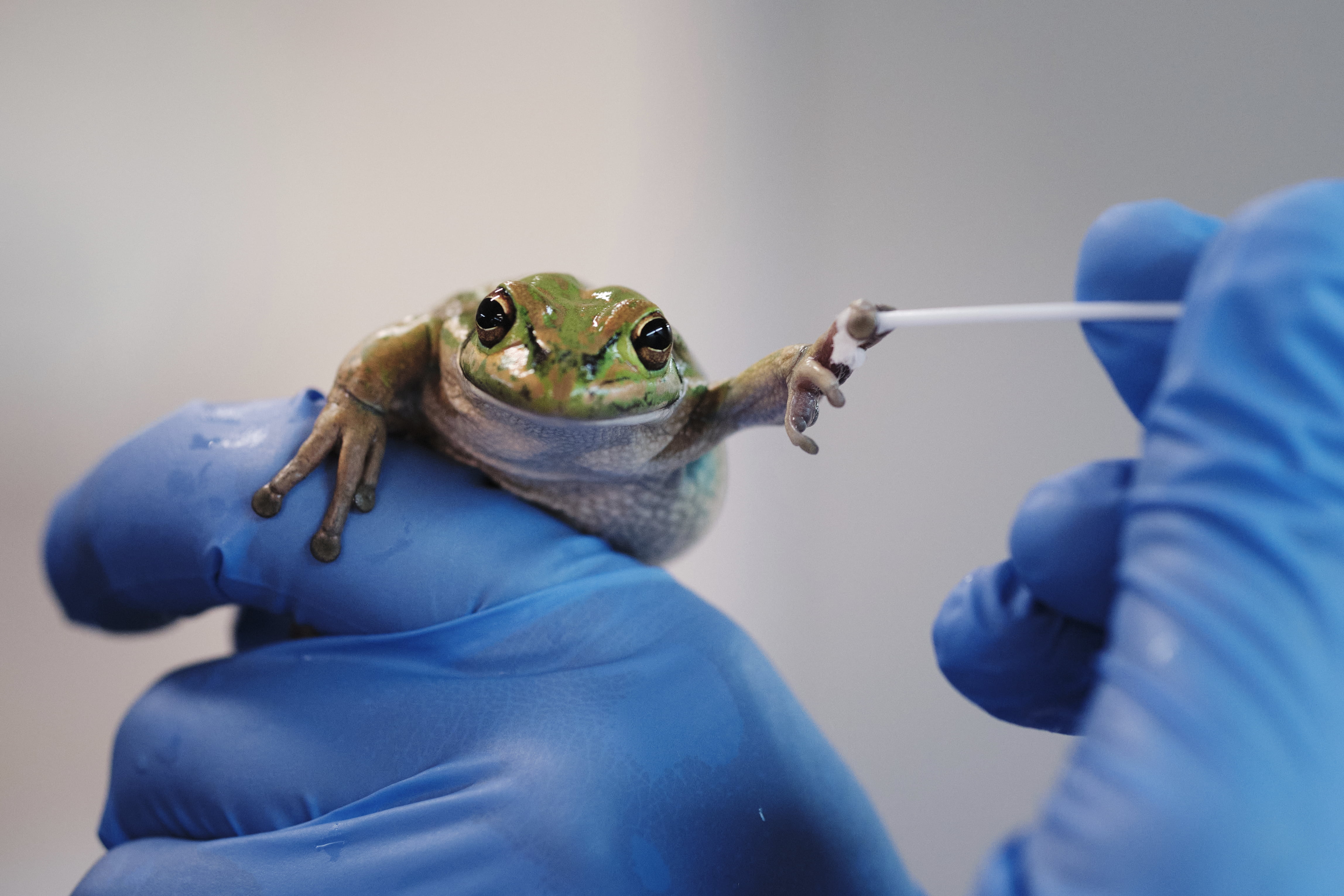
Study science, save species
How research is protecting Australia’s frogs.
Scientists are using innovative, spa-like shelters to help frogs battle a fatal fungal disease. This research is just one example of how studying science can make a real impact on conservation and the environment.
A Bachelor of Science could be your first step towards discoveries that protect our planet’s wildlife.
Our sciences stories
View more storiesSustainability major
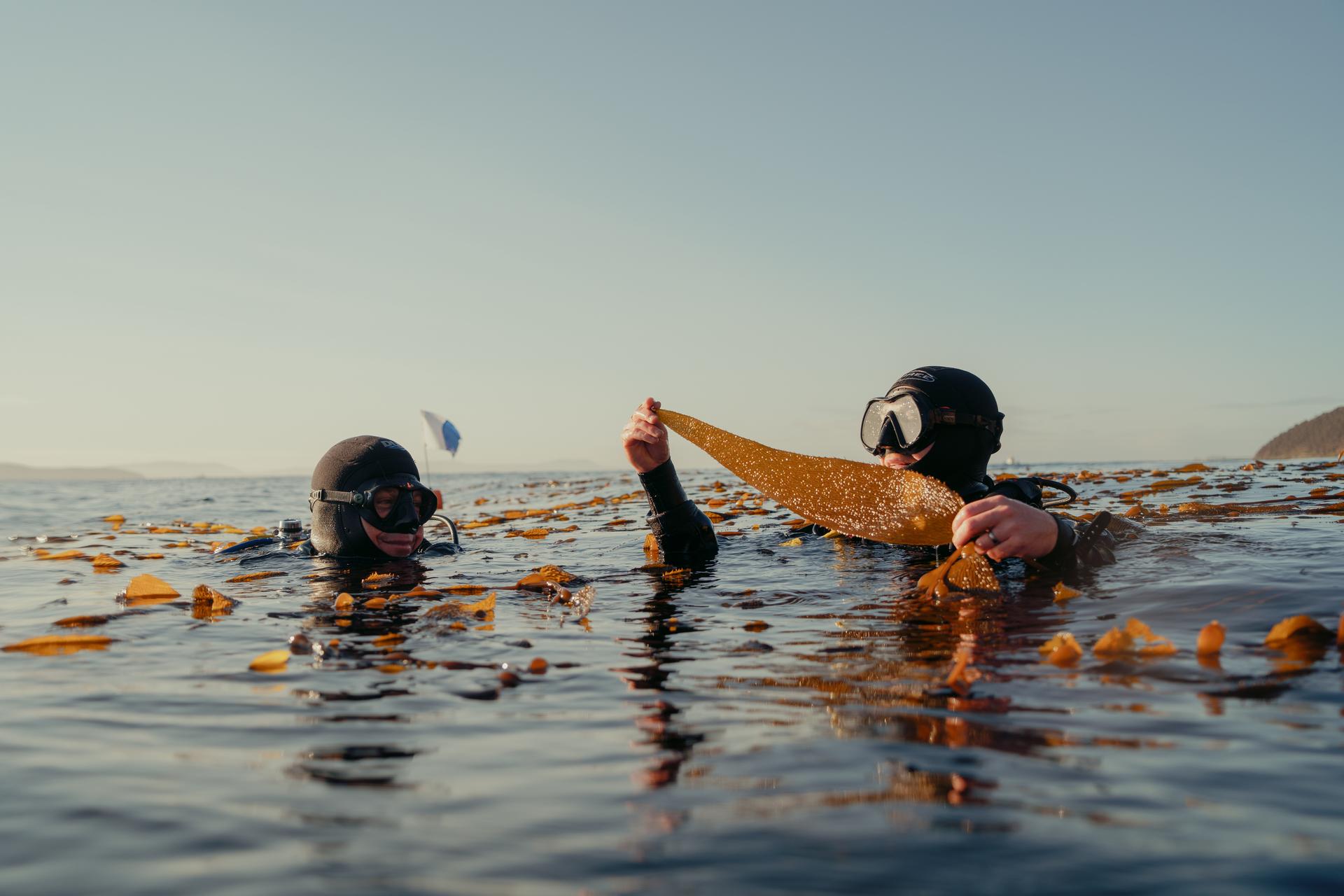
- Our Sustainability major gives you the skills and techniques to help create sustainable societies. You’ll learn to identify sustainability-oriented impacts of decisions, as well as come up with effective solutions.
- This major is a great option to combine with another major in the Bachelor of Science, complementing the specialist skills you’ll learn in areas like Environmental Remediation or Geography and Environment.
- You can also undertake this major as part of any other bachelor’s degree which offers space for a second major. Examples include Arts, Economics, Agricultural Science, or Information and Communication Technology.
Visit the Bachelor of Science course page to explore the full list of units available within the Sustainability major.
Get more out of your degree
Supporting you to study

Scholarships, fees and costs
Costs should never be a barrier to university. University can seem expensive, but we have plenty of ways to make it affordable and accessible.
Learn more

Our accommodation
We have a range of on-campus accommodation available to students. All of our accommodation is in high demand, so now is a good time to consider your options.
Learn more

Glossary
Confused by words and terms used by universities? Don't be! Here is our friendly guide to help. And remember, you can always contact us for more information.
View glossary
Supporting you to study
Scholarships, fees and costs
Costs should never be a barrier to university. University can seem expensive, but we have plenty of ways to make it affordable and accessible.
Learn more
Our accommodation
We have a range of on-campus accommodation available to students. All of our accommodation is in high demand, so now is a good time to consider your options.
Learn more
Glossary
Confused by words and terms used by universities? Don't be! Here is our friendly guide to help. And remember, you can always contact us for more information.
View glossary
Take the next step
Applying to study with us is free using our simple online form.
Find out how to apply, to get started.
We encourage you to apply for the courses you most want to study. If you're not eligible to enter your chosen course right now, our admissions team will work with you to find the best pathway option.
If you would like help applying, please enquire with our friendly team. You can even set up an appointment to be guided through the process.
Take the next step
Applying to study with us is free using our simple online form.
Find out how to apply to get started.
We encourage you to apply for the courses you most want to study. If you're not eligible to enter your chosen course right now, our admissions team will work with you to find the best pathway option.
If you would like help applying, please enquire with our friendly team. You can even set up an appointment to be guided through the process.
Take the next step
Applying to study with us is free using our simple online form.
Find out how to apply to get started.
We encourage you to apply for the courses you most want to study. If you're not eligible to enter your chosen course right now, our admissions team will work with you to find the best pathway option.
If you would like help applying, please enquire with our friendly team. You can even set up an appointment to be guided through the process.