

The world is increasingly challenged on a global scale. Protecting local places, histories and cultures is hard. How do we negotiate a shared future that respects communities and their environmental and cultural heritage?
Australia has entered its fifth decade as a signatory to the UNESCO World Heritage Convention in the wake of a series of disastrous climate-related events from bushfires to coral bleaching that significantly impact its natural and cultural heritage. At the same time, the centre of global population, trade and travel continues to shift towards the Asia-Pacific, increasing pressure on the region’s landscapes and species. Every day, communities seek better ways to negotiate and be heard about what they value, how they are faring and what they want for the future.
This is at the heart of the UNESCO Chair program in Communication, Environment and Heritage. The program works with researchers across the University, with expertise in, among other things, environmental communication, Aboriginal heritage, community wellbeing, policy, history, environmental law, visual arts and biophysical sciences. Our government and community partners are at the forefront of heritage protection, custodians of some of the world’s most precious wild and historic assets, which they also have to manage for tourism and other demands. The program draws together this impressive range of expertise for training and research.
Projects and latest updates

This project develops a comprehensive literature review on the use of fire by Aboriginal people in the Tasmanian Wilderness World Heritage Area (TWWHA). The literature review helps increase our understanding of the Aboriginal cultural landscapes of the TWWHA through a focus on identifying, reviewing, and analysing key resources relating to the use of fire for management.
With Professor David Bowman, Ms Stephenie Cahalan, Professor Greg Lehman, Professor Libby Lester, Dr Janine Mikosza, Ms Zoe Rimmer, Dr Jenny Styger, Assoc Professor Rebe Taylor.
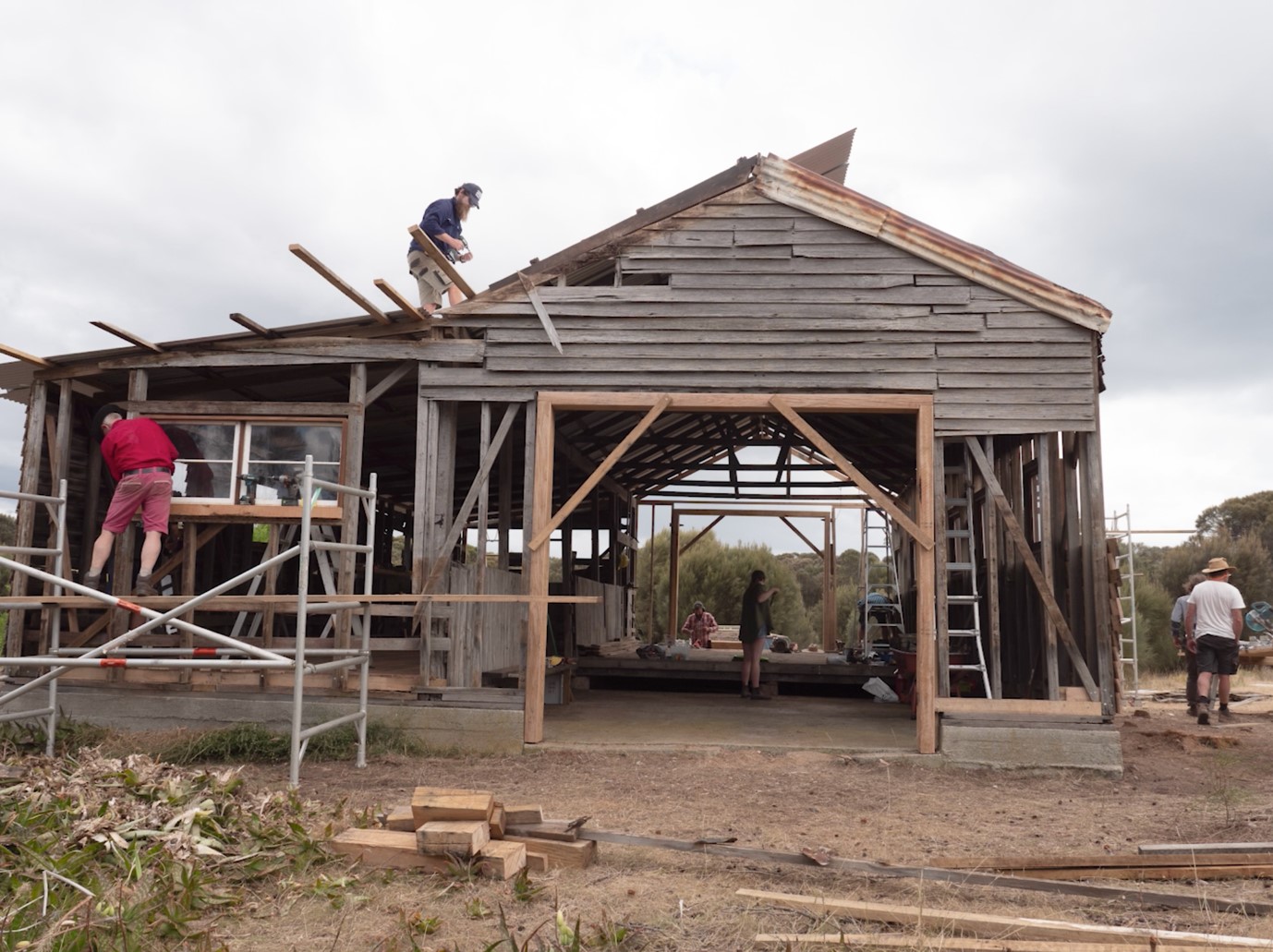
University of Tasmania staff, Andy Terhell and Libby Lester, joined volunteers organised by the Aboriginal Land Council of Tasmania to restore an old shearing shed at Wybalenna on Flinders Island. The Land Council will use the shed, moved to the site in the 1930s, for gatherings, including to hear community voices on the future of Wybalenna, where 200 Aboriginal people were forced into exile at the end of Tasmania’s so-called Black War. Our role was to document the restoration project for the ALCT and for the public.
PhD Kianna Gallagher
This research focuses on human-ocean relationships. Specifically, it asks how positive and reciprocal connections to the ocean have been historically and are currently represented in the media and within local to global communities. Does this representation differ by context, ecological level, and social scale to define how the evolution of such discussions has shaped marine and coastal environmental outcomes and may continue to do so into the future? Case studies include abalone fisheries and kelp forest conservation and management.
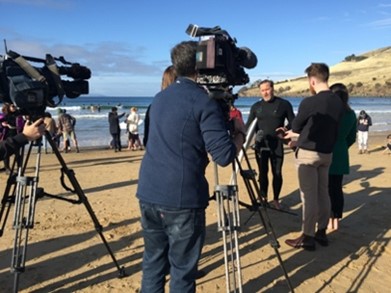
This Australian Research Council-funded project investigates the range of environmental and sustainability messages communicated by sport media, and how these messages negotiate the dilemma of promoting environmental awareness through events and activities that also generate adverse ecological impacts. By engaging sport media professionals, environmental claims-makers, policy-makers and journalists, this project seeks to deliver valuable knowledge that informs industry decision-making, policy formulation and environmental awareness. The intended societal benefit is a new understanding of how environmental issues are communicated through popular media to large-scale publics, including how tensions in the communication of environmental change are negotiated.
With Professor Libby Lester, Professor Brett Hutchins.
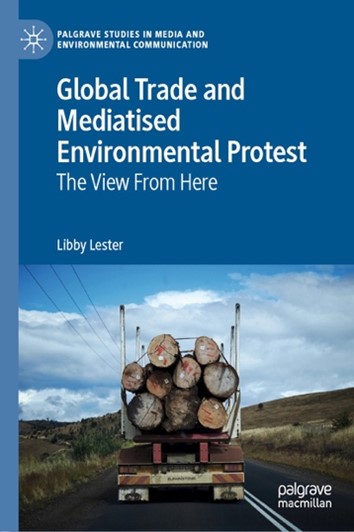
Book Libby Lester
As more governments, companies and individuals scan the globe for access to primary resources such as minerals and timber, food, power and water, and destinations for work, holidays and homes, pressures on places and communities grow. At the same time, global environmental risks – most notably, climate change – produce new networks and unfamiliar forms of politics. Communication media are integral to this change. This book explores how geographically diverse groups and individuals interact in and through media to influence the negotiations and decisions affecting often distant landscapes and communities. Drawing on extensive fieldwork in the Australia-Asia region, the book includes case studies on the environmental protests that follow the international flow of people and resources, including timber, fish, coal, water and tourism. It asks how ‘communities of concern’ are evoked, which transcend local places and national boundaries.

In science we trust? Our attempt to more accurately model trust in climate science is now available in the journal Public Understanding of Science.
Check out Professor Alana Mann’s latest book Food in a Changing Climate.
We are offering the opportunity to join the Program through PhD research on a relevant topic. The topic will be devised in liaison with the UNESCO Chair, program researchers and associated partners.
Please contact Professor Libby Lester at Elizabeth.Lester@utas.edu.au or Professor Alana Mann Alana.Mann@utas.edu.au to discuss further.
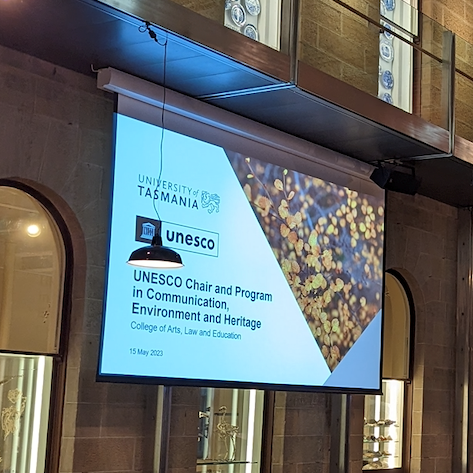
On Monday 15 May, our key partners and University of Tasmania colleagues gathered at the Tasmanian Museum and Art Gallery to launch the UNESCO Chair and program.
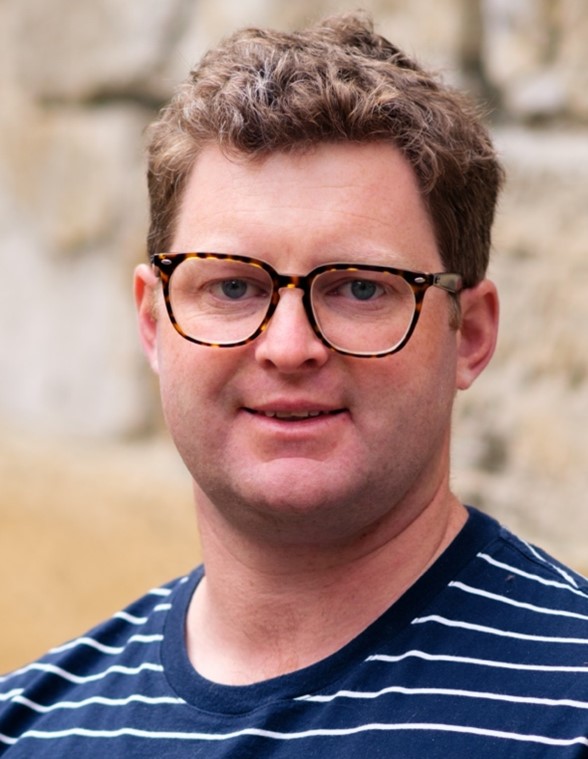
This PhD research project includes the production of a series of short-form documentary episodes, sharing disparate views on land management in the Tasmanian Wilderness World Heritage. Using Lake Malbena, the location of a helicopter tourism proposal that has attracted public protest, as an example, the researcher aims to create an environmental documentary series using storytelling methods more commonly seen in contemporary popular documentary.
This project poses the questions ‘how can storytelling methods used commonly in popular contemporary documentary facilitate broader sharing of environmental stories?’, ‘how do the current definitions of environmental documentary live up to the expectations of social and popular documentary practice?’ and ‘what does it mean for a documentary to be activist?’.

We are delighted to welcome Chris Wilson to the UNESCO Chair program team. Chris (Ngarrindjeri/Kaurna) is an archaeologist who recently featured in the NITV program The First Inventors. He joins us in the role of Aboriginal Heritage Research Fellow to support and promote research for and partnerships with Aboriginal organisations and people.
UNESCO Chair program PhD candidate Kianna Gallagher has won the Richard Ernest Glazebrook Environment Scholarship, which is awarded to a postgraduate student undertaking study on the environmental impacts of proposed developments in Tasmania.
Kianna’s research focuses on human-ocean relationships, asking how positive and reciprocal connections to the ocean have been historically and are currently represented in the media and within local to global communities. Case studies include abalone fisheries and kelp forest conservation and management.