


Tasmanian children’s voices and views will be amplified by innovative new research that seeks to shape climate change education across our island State.
Young people live under the looming shadow of climate change, yet they often feel powerless to shape a sustainable future for themselves.
With the support of the Spencer Foundation, a global research education charity, the University of Tasmania is launching a game-changing project that brings young people and decision-makers together to design effective climate change education that’s responsive to the next generation’s needs.
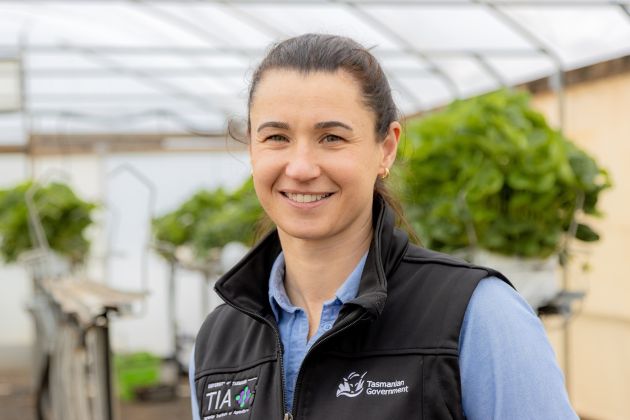
Project lead Dr Kim Beasy, a Senior Lecturer in Education, said the research team, with expertise in science, law, policy, communication and education, wants to ensure young people are informed, empowered and supported to be agents of change.
“Young people are the future,” Kim said.
“Research has shown that many of them feel disempowered about their climate-affected futures and often feel abandoned and even betrayed by older generations.
“We want to support young people to shape their own climate education.”
The project will build on Curious Climate Schools, a free platform led by a globally recognised expert in climate change communication and social adaptation, Senior Lecturer in Human Geography, Dr Chloe Lucas.
It connects Tasmanian students with scientists to build climate change literacy.
Kim began her career as a physical geographer exploring the carbon sequestration potential of rice grass, an invasive species introduced to stabilise the muddy banks of the Tamar Estuary in Northern Tasmania.
She came to realise that the greatest impact she could have on climate change was to address the underlying cause of it, human behaviour.
Kim said that young people will be disproportionately affected by the impact of climate change, yet they have very little influence in shaping their education that will help them navigate the challenges ahead.
“High school students are at the age where they are really starting to grapple with the realities of what the future may bring and we want to ensure they have a meaningful say in how it’s addressed in the classroom.”
Climate change affects all facets of our lives, so it needs to be integrated into the curriculum in the same way, and we want to facilitate discussions with young people and decision-makers about what is required and realistic.
The research will bring the perspectives of Tasmanian secondary school students, aged 12-16, to the forefront through a series of citizen panels with principals, teachers, policy and curriculum leaders and government representatives.
“We're not just gathering feedback from young people — we're creating a space for them to work alongside the people who can make real change happen.”
Dr Kim Beasy
“Through our four citizen panels, we’ll gather insights into how young people want their education to support their capacity to thrive in a changing climate.”
Kim said the Spencer Foundation's $58,000 grant, which was facilitated thanks to the University of Tasmania Foundation USA, is crucial in realising this vision.
"Their endorsement validates the importance of this work and the need to empower young people as agents of change," she said.
"With their backing, we can truly put Tasmania on the map as a leader in climate change education and we are thankful for their support."
The researchers hope the project marks the beginning of a new chapter in meaningful educational engagement that reflects the needs and aspirations of young people.
Read more stories from Impact 2024
Learn more about Giving at the University of Tasmania