



In Tasmania, our horticultural industry is faced with the challenge of increasing growth while simultaneously decreasing emissions and meeting Australia’s goal of net zero emissions by 2040.
It’s a challenge that researchers at the Tasmanian Institute of Agriculture (TIA) are supporting with the establishment of Australia’s first dedicated zero-net emissions (ZNE) horticultural demonstration farm.
The farm will be established at TIA’s Vegetable Research Facility at Forthside in the state’s North-West in mid-2025 following workshops to seek input from industry about the low-emissions solutions that will be tested throughout the trial.
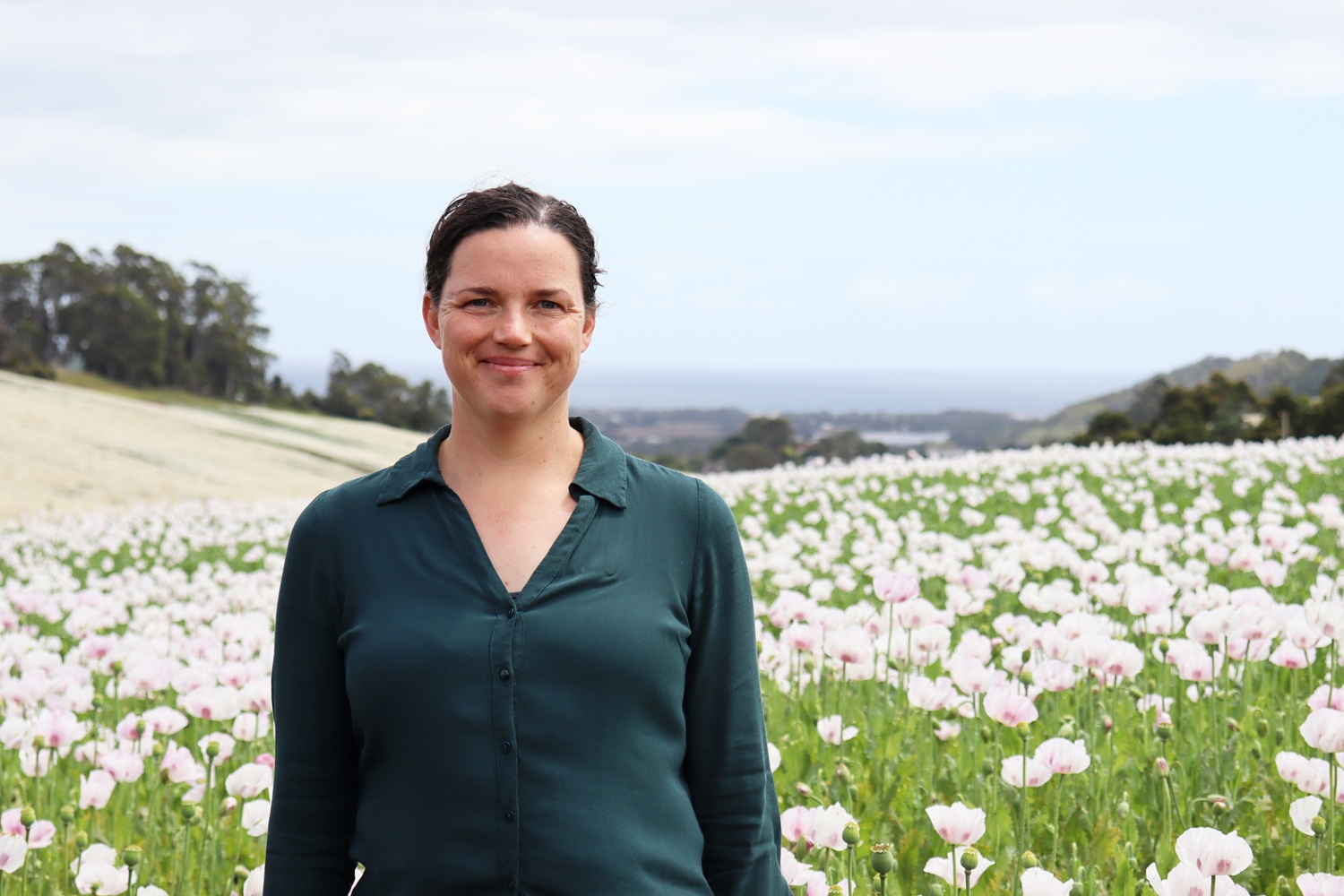
“Agriculture contributes approximately 14% of Australia’s national emissions and while the majority of this is from livestock production, the horticultural sector is also a significant contributor from emissions related to synthetic fertiliser use,” TIA Research Fellow Dr Tory Clarke said.
“Projections show that cropping farms, including horticulture, have a higher risk of profit losses than other sectors from the impacts of emissions, but our farms can also be part of the solution.”
To reduce these emissions, the demonstration farm will showcase new technologies for reducing nitrous oxide emissions in horticulture, which account for 83% of plant production emissions.
“Our goal is to help Tasmanian growers adopt practical tools to understand and measure their farms’ emissions, as well as validate new technologies that reduce nitrous oxide emissions on our farms.”
“We’re excited about opportunities to have more people visit the Research Farm to see these technologies in action, working collaboratively with farmers, and learning together around how we can make our horticultural industry more sustainable towards a zero emissions future.”
The ZNE horticultural demonstration farm project received $460,000 from the Tasmanian Government’s Agricultural Innovation Fund. TIA is also a research partner in the national Zero Net Emissions for Agriculture Cooperative Research Centre which provides opportunities to tap into new products and solutions that could be adopted here in Tasmania.
Dr Clarke said it is important that solutions are scalable and maintain productivity while simultaneously reducing emissions.
“Our aim is to demonstrate practical solutions that are economically viable and already commercially available to growers. We want to be able to show farmers the likely return on investment and how these new solutions can be a profitable and sustainable way to farm,” she said.
The trial at Forthside will capture emissions and productivity impacts of different fertiliser management strategies across a four-year crop rotation, comparing the industry standard levels for synthetic fertiliser inputs, with reduced, and zero fertiliser scenarios. Importantly, the trial will also compliment these treatments with emission-lowering alternative input strategies, including new net-zero fertilisers, biological soil amendments, cover crops and alternative crop rotations, reduced tillage practices, and precision agriculture techniques.
TIA scientists will collect data on emissions production, crop productivity and performance, we well as monitor the economic costs associated with each management scenario to understand their impacts.
“From the third year of the trial there will be opportunities to establish grower-led on-farm trials. We will take what we learn from the demonstration farm and support growers to conduct their own trials so they can see how these emission-reducing solutions will perform in their systems.”
Dr Clarke said the project will have a legacy and a key outcome is the development of validated tools that will be available for growers to use.
“These tools, including validated emissions calculators, will mean Tasmanian farmers can easily understand what emissions they’re producing along with the impact of management changes and the return on investment,” Dr Clarke said.
“We want to help farmers to easily make decisions about whether solutions are economically worthwhile, practical and sustainable."
Watch a video
Dr Tory Clarke presented about the establishment of Australia’s first dedicated zero-net emissions (ZNE) horticultural demonstration farm at the TIA Vegetable Research Facility Field Day in December 2024.